Heart monitors are super handy devices that keep tabs on your heart rate and other important stats. Whether you're working out, managing a health condition, or just curious about your heart health, these gadgets can provide real-time data to help you stay on track. With so many options out there, it’s crucial to know what to look for.
First, let’s talk about types. Basic heart rate monitors typically come as wristbands or chest straps. Wristbands are usually more comfortable and user-friendly, while chest straps offer more accurate readings, especially during intense workouts. If you're an athlete or someone who loves to track performance, a chest strap might be the way to go.
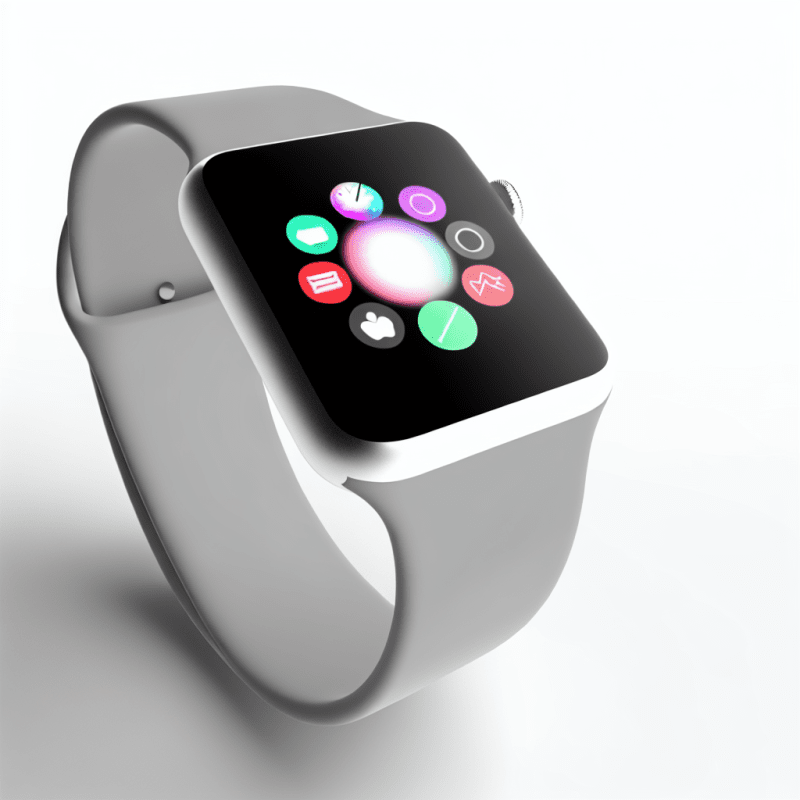
Next up, features. Many monitors nowadays sync with your smartphone, making it easy to track your data over time. Some even offer GPS tracking, which is great for outdoor activities. Look for a heart monitor that fits your lifestyle. If you're into tech, a smartwatch that does it all might be perfect. If you want something straightforward, a basic monitor could fit the bill.
When choosing a heart monitor, battery life matters too. You don't want to charge your device every few days. Look for options that last at least a week. Also, check out the mobile app that comes with it. A clean, user-friendly app can make all the difference in how you analyze your heart data.
Lastly, don't forget about comfort! You'll want a device that feels good on your body, especially if you plan to wear it for long periods. Try it on if you can, and assess whether it fits snugly without being too tight. A heart monitor should help you keep an eye on your health, not distract you from your daily life.
How Heart Monitors Work
Heart monitors are cool gadgets that keep track of your heart activities in real-time. They can measure your heart rate, track rhythms, and even detect irregularities. You usually wear them on your wrist, like a watch, or stick them onto your chest with electrodes. Some fitness trackers also have built-in heart monitoring features that are super handy for anyone wanting to keep an eye on their health.
At the heart of it (no pun intended) is a sensor that detects your heartbeats. When your heart beats, it sends out electrical signals. The monitor picks these up and translates them into numbers and data you can easily read. Many devices sync with apps on your phone, so you can see your heart rate trends over time. This helps you understand what’s going on with your body during workouts or just everyday life.
Most heart monitors work in a pretty straightforward way. The sensors usually shine a light through your skin, measuring the blood flow and calculating your heartbeat. If you’re exercising, this becomes especially useful because you can see if you’re in a good zone for burning fat or building endurance. Some advanced models even send alerts if your heart rate gets too high or too low, which can really help you stay safe while pushing your limits.
If you’re into fitness, heart monitors can be a game-changer. Whether you’re running, cycling, or doing yoga, they help you stay informed about how your heart is responding to what you’re doing. Plus, they’re usually lightweight and comfortable, so wearing one feels like second nature. It’s like having a little coach on your wrist looking out for you!
Benefits of Using a Heart Monitor
If you’re looking to keep tabs on your heart health, using a heart monitor is a game changer. One of the biggest benefits is real-time tracking. With a heart monitor strapped on, you get immediate feedback on how your heart is doing during workouts, daily activities, or even while you’re just chilling at home. It helps you see how your heart responds to different situations.
Another cool perk is the ability to set personal fitness goals. Whether you want to improve your stamina or maintain a healthy heart rate, a heart monitor gives you the info you need to hit those targets. You can track your progress over time and feel motivated to keep pushing yourself.
Heart monitors are also great for spotting irregularities. If you notice certain patterns or spikes in your heart rate, you can share that info with your doctor. This helps you catch any potential issues early, keeping you safer in the long run. It’s all about being proactive with your health.
Plus, let’s not forget the convenience factor. Many heart monitors sync with smartphones, so you can easily access your data and trends right at your fingertips. It’s super user-friendly and makes managing your heart health a breeze.
Finally, they can help you stay accountable. Whether you’re on a fitness journey or just trying to be more mindful of your health, seeing those numbers can motivate you to keep going. It’s like having a cheerleader on your wrist, always encouraging you to do your best.
Choosing the Right Heart Monitor for You
Choosing the right heart monitor can feel a bit overwhelming with all the options out there. But don’t worry! I'm here to help you navigate through it. Start by thinking about what you actually need. Are you an athlete trying to track your heart rate during workouts, or are you just looking for something to keep tabs on your heart health? Knowing your goals makes a big difference.
Next, consider how you want to wear your monitor. There are wristband styles, chest straps, and even some smartwatches that track heart rate. If you want something that’s easy to wear all day, a wristband might be the way to go. If you're more into serious workouts, a chest strap usually delivers more accurate readings.
Pay attention to battery life too. You don't want your monitor to die in the middle of a workout or while you're just going about your day. Some devices can go weeks without needing a charge, while others may need daily charging. Check reviews to see what other users say about battery performance.
Lastly, think about whether you want any extra features. Many heart monitors now come with smartphone apps that help you track your data over time. Some even measure things like stress levels and sleep quality! If that sounds useful, look for a model that offers those perks.